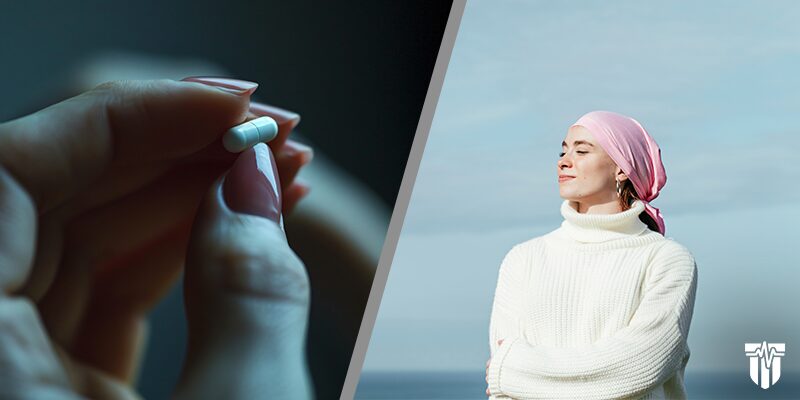
A Canadian retailer recently released a video celebrating the life of a woman who chose assisted suicide. The video has millions of views, but it raises an important question: Why are we making someone’s death look inspiring instead of asking how we could have helped her keep living?
The three-minute video, All Is Beauty, was released by Quebec-based retailer Simons the day after 37-year-old Jennyfer Hatch died through Canada’s medical assistance in dying (MAID) program.
Jennyfer Hatch had a condition called Ehlers-Danlos syndrome that affected her body and caused chronic pain. To cope with this illness, she chose assisted suicide.
The video shows moments from her final month as she reflects on life, death, nature, and relationships. Simons described the project as a celebration of her life meant to inspire viewers.
But one of Hatch’s friends said she loved life and, in an ideal world, would still be here today.
If she loved life, why are we celebrating her death instead of asking how we could have better supported her?
Hatch’s suffering was real. Chronic pain and serious illness can make life incredibly difficult. Of course, we have compassion for those who experience these illnesses.
But compassion should never mean accepting death as the answer to suffering.
We should be asking whether those with serious diagnoses have access to medical care, pain relief, disability support, and people who will stand beside them through their hardest days.
A person’s life does not lose its value because they are sick, disabled, or in pain.
Story continues below.

Don’t miss important Pro-Life stories like this.
>> Get the Pro-Life Weekly Highlight just once a week:
People like Jennyfer, who are suffering, need to know they are not a burden and that their lives are still worth protecting, even when healing is not possible.
Simons presented the video as a story of life and inspiration, saying it was not meant as a statement about assisted suicide itself. Yet it follows Hatch through her final days as she prepares to end her life.
Presenting medical assistance in dying as beautiful and empowering risks making death seem like a reasonable answer to illness and suffering. It also takes attention away from a more important question: Are we doing enough to help people live?
The Pro-Life movement believes every human life has value, regardless of age, ability, or medical condition. That means responding to suffering with appropriate medical care, pain relief, practical help, and companionship.
Protecting life does not mean ignoring pain. It means making sure people receive the care and support they need instead of being led to believe that death is their best option.
Jennyfer Hatch’s life mattered, and her suffering mattered, too. We can recognize both without celebrating her death.
Every person deserves compassion and support throughout their life. Canada should be working to make life more livable for those who are suffering, not making assisted suicide look beautiful.
Thank you for reading this story! If you support our Pro-Life ministry, chip in with a life-saving contribution today!